Wednesday, January 14, 2015

When Mars and Venus Collide. Romance for Romance Sake?


By Keith N Fisher

I started writing contemporary fiction and graduated toward romance. I thought I knew the reasons then, but I’m not sure, now. I believe it’s one of the most popular genres. Perhaps that’s it. Whatever the reason, its been a wild ride.

Being asked to write about romance from a man’s perspective is hard. I want to express a testosterone filled opinion, (one you might expect), but there really isn’t one.

Men fall in love and get all googley eyed too. They get chills down their spines, goose bumps, and their knees grow weak. Flower, the skunk in Bambi, called it getting twitterpated. Most men, however, can’t describe it in ways that make women sigh.

Many men cry in movies and feel elated when boy gets girl in the end. So, when I set out to write romance I was confident. That’s when the confusion set in.

When I started down the road of writing romance, I discovered many conflicts. And came to some conclusions. As the only male member in my critique group, I’ve been lucky to get women’s opinions of my love scenes. I took my work to them and was told I’m writing women’s fiction, not romance. I wrote about that experience on LDS Writer’s Blogck,

I asked them to tell me what romance is. To subsidize my lessons, I consulted a book called How to Write Romance, published by Writer’s Digest and edited by Romance Writers of America.

I found many answers, but my group said it has to follow the formula.

1. Boy meets girl.
2. Boy gets girl.
3. Boy loses girl
4. Boy gets girl back.
5. They live happily ever after.

“But what about Nicholas Sparks?” I said.
“He doesn’t write romance,” They said.
Now, I’ve seen, Nights in Rodanthe, and I consider, The Notebook, to be one of the most romantic movies of our time. They said, since Sparks mostly ends his stories with tragedy, they’re not considered romance.

I shook my head. Okay, I admit it’s a guy thing, but I always assumed that when two people meet and fall in love, it’s romance. I learned that even though a story could have romantic overtones, it has to follow the formula.
Through reading old books and watching old movies, however, I’ve learned the formula is subjective. No two love affairs are the same and opinions vary. One woman’s perfect match might be repulsive to another woman. Stories are like that. Some writers touch your heartstrings, some don’t. It doesn’t make one story any less a romance than another.

So, I can follow the formula and write romance for romance sake. Or I can write stories that, hopefully, touch your heart. If they also, touch your romantic side, It’s icing on the cake. If that happens, you might think of me as a sensitive guy, but in the long run, I’m just a writer who’s listening to his characters.

Saturday, January 10, 2015

References


By Keith N Fisher
Now that we’re up and running again, and promoting the Blogck with a renewed push, I’m intimidated. Before, when I was almost alone, I didn’t worry about my writing. Who was going to read it, right? Also, have you seen the list of guest bloggers we have lined up for the next couple of months?

Not only do we have editors and authors. (Did you see Jeff Savage in there?), but I thought it would be fun to bring back the original writers on the Blogck. The response has been wonderful, but as I said, I’m intimidated. These guys are my heroes and I will be sharing the page with them. Still, I want to thank them for agreeing to share their wisdom with us.

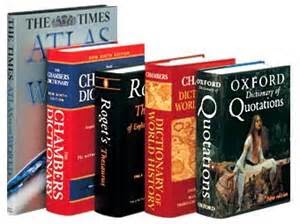
Recently, I implemented an idea that has helped my writing and I wanted to share. How many of you write with a dictionary or other reference books at the ready? These helpful resources are invaluable in getting the sentences right.

While free writing, many will wait until they edit to check the dictionary, thesaurus, baby name lists, etc. When you are OCD, however, it drives you crazy until you look it up. I try to use red XXXX’s then come back later and get on the Internet, but spell check and other “Helpful” technologies make me stop and fix it.

I have a link on my computer desktop that goes straight to Webster’s online. Then, of course there is Wikipedia. Many of you know, however, most of my writing is done away from an office. In places where the Internet is not available the red XXXX’s come out.

Also, in the past; little snippets that need to change to make the story better, the ideas for plot twists I might want to explore, bits of information that came to mind, were put into a new document and saved into the project file. Doing this was helpful, because writing something down always helps me remember, but sometimes it was forgotten. Who checks their notes every time they sit down to write?

Recently, I wrote about my experience at a writer’s retreat. While at the event, I acquired three reference books that have changed my writing. I keep wondering how I ever lived without them. Of course I’m talking about the emotion, positive trait, and negative trait, thesaurus’ (Thesauri).

The action lists in those books have helped me show rather than tell in ways I only dreamed about before. The problem I had, though, came when I couldn’t bring the books with me to write. My solution occurred on Christmas morning while I waited for my family to get out of bed. I purchased the PDF version and put it on my desktop. Now when I find myself telling and not showing, I open the thesaurus and find an action that shows what I’m trying to say. It goes with me, anywhere I happen to be writing.

There are PDF versions of many references that I plan to put on my desktop in the future. Also, a page can be saved from the Internet that will open on your computer even with the WIFI turned off. I’m developing a whole library of instant references that go with me.

As for the info snippets, my new, (old) tool is sticky notes, both literal and digital. I heard a story once, about a Franklin Planner executive walking into another man’s office and watching the man work. the man had placed sticky notes everywhere and scraps of paper were scattered all over the office. Yes, sticky notes can get out of hand, but here’s what happened to me:

I was editing at my desk, during lunch, at work the other day. I suddenly remembered an important plot point I’d left out. I didn’t want to leave what I was working on to go back and fix it. I grabbed a sticky note from my desk, wrote down the thought, stuck it on my keyboard and went on.

The note stayed there for two days. Every time I opened my laptop, It reminded me. I kept moving it out of the way of the keys I needed to use. Finally, I implemented the changes, but I had been thinking about the best way to write it, so I’d made it perfect.

In the interim, I was writing in a coffee shop when a plot point sprang to mind. I didn’t have any sticky notes. Suddenly, I remembered the digital version that comes with Windows. I opened one up and made my note. Now it reminds me, every time I turn on my computer. Yes, I could end up like the man in the story, but the secret is to deal with the notes, then delete them.     

Good luck with your writing—see you next week. 

Saturday, November 29, 2014

Speech Tags and Giving Thanks


By Keith N Fisher

I met a new character this week. His name is Simon and he’s big Hawaiian, with a heart of gold. Even though Simon hasn’t got a large part in the plot, I like him. I will, however, need to change his name.

When Simon came into the story, I thought he was a refreshing character and the name fit perfectly. I soon found out why people don’t use the name very often in fiction. Did your ever play a game called, Simon Says?

You guess it. My speech tags are killing me.

Now, onward and upward, In the USA this week, many people celebrated family dinners. We had the biggest feast we could manage, mingled with the reminder that we should be thankful. The idea of course, is the concept of gratitude for what we have, rather than dwell on what we don’t have.

I could delve into political deep water and mention that as a people, our standard of living has dropped. Many Americans work longer hours for less money than ever before. Yes I could write about that, but . . .

If I wrote that, many of the polar factions would claim it’s the fault of one party or the other, when the fault really lies in the pockets of the greedy. Too many wealthy people are unwilling to admit their wealth was a blessing from deity. Then, not admitting that, makes it easier to ignore that God charged them to help others. Yes I could write about that, but . . .

Well, since I wrote about that, I should also point out, the wonderful blessings that we have. It is very true. God might not grant us the luxuries of life or the basics for many, but there are blessings, even in our extremities.

What are the blessings? Well in light of what I didn’t write about above, I will name one. At least we don’t have to worry about the condemnation of being given much and not giving back.

So, I hope when you took that quiet moment of reverence before digging into whatever constituted your feast. I hope you remembered the guy who can afford a cruise for Christmas while his employees work two jobs to pay the mortgage.

Remember that God sends blessings to help us, and to try us.

With that being said, I thank God for the blessings in my life. May you never have the burden of deciding whether you should build that second house or give gifts to those cherished people who work for you.

Seriously, I hope your holiday was filled with answers to your prayers. May God bless you. Good luck with your writing—see you next week.

Saturday, November 22, 2014

That Irritating Employment Thing


By Keith N Fisher

At the end of a recent writer’s retreat, I asked many of my fellow laborers a question. "Did you have a productive weekend?" One of the answers was, "I wish I could’ve been here Friday."

"Didn’t you come Thursday night?" I asked.

"No. I had to do the work thing."

"Me too," I said.

The answer to my question made me think of all the times I’ve had to put my story away, in order to
do the work thing.

Unfortunately, paying the bills is a necessary evil. It has to take precedence to writing. In the past, when I filled out tax forms, I listed the day job first, and the writer thing after. A few years ago, I changed to, Freelance writer/current bill paying job.

This year, I have three jobs. I will put, Freelance Writer/Inside Salesman/Convenience Store Clerk. Even though I’m busy, I still find time to write. Of course I have to write. The problem comes when writing is going so well that I curse my other job for taking me away.

The retreat was great, but it was the first time I ever really hit a wall. Having the plot worked out beforehand helped, but I had so much time to write, I wrote myself past what I had planned. In some books, I know where I’m going, but I have to work out logistics along the way. In my current book, I had the logistics worked out to a certain point. My character took us to Las Vegas where, since I’d been there so many times, I thought I’d have plenty to write.

My character left Las Vegas before I had to chance to write her into the casino. She didn’t know where she was going, neither did I, so I hit the wall, and played Nine-Ball on the pool table for a little while.

The fact that the retreat house had a well-furnished game room and theatre, that went largely unused, is another blog.

Anyway, that’s how discovery writing goes sometimes. It makes you do other things while you think about the plot. After a while of editing my cookbook, We reached a compromise, my character and I, we moved forward into new territory, Places I never dreamed we would go.

By the end of retreat, I’d written thousands of words, got well into editing my cookbook, renewed old friendships and made new ones. Having time to write was rejuvenating. It reminded me of how I started writing, and why. I still write in spurts during brief moments between responsibilities, but I’m looking forward to the next retreat. If writing really is life sustaining, It’s too bad I have to interrupt my life for that employment thing.

Missed you at retreat. Good luck with your writing—see you next week.

Saturday, November 15, 2014

Good Morning & How are You?

By Keith N Fisher

I wrote a blog, which I didn’t post last week. I agonized and debated whether it was too offensive. Like the time during the bombing of Pearl Harbor, emotions and innuendo run high. I didn’t post it, but that ship hasn’t sailed, I still might.

Today, I’m at the Authors Incognito writer’s retreat. I didn’t sleep much last night. I did get some writing done, but I’m afraid I socialize too much. This is a great experience for writers. Periodically, we have sprinting periods. Like the name implies, we write for a time then the person with the highest word count, wins a prize.

Years ago, during the first AI retreat, I was one of the instigators, but as it turned out, I couldn't go. Nevertheless I still paid for my spot. I figured it was the right thing to do. Now there are many writers in the group I don’t know.

This morning, I’m working on my suspense novel, this blog post, and my cookbook. Do you remember a few posts ago, when I talked about the manuscript being scattered across the floor? Well, it happened again. I spent more than an hour last night sorting and collating. Today, I’m cooking a new dish for the critique of twenty-two people so I can get it into the book.

Maybe I can persuade the publisher to print the pictures. It would increase sales from writers who want to see themselves in a book. Perhaps that wouldn’t work though, I don’t want to get permissions and pay for the privilege.

Anyway, that is where I am today and why my blog post hasn’t been well edited. I didn’t think there would be Internet access up here, and I’m still debating the other post. Either way, Good luck with your writing—see you next week.

Monday, November 3, 2014

Beginning, Ending, and Plot


By Keith N Fisher

We did it again. We successfully passed through All Hallowed Eve and into All Saints Day. Now, we’re running headlong into Thanksgiving. After that is, dare I say it? Yes, there are only fifty-one shopping days until Christmas. Assuming you don’t leave the family feast to get in on the big sales.

This year, as in other years, we went from October to November without incident. Many of my writer friends began their ritual. They stashed their treats and supplies and locked themselves away to spend the month in the writing marathon, called Nano-Wrimo.

From November first, to the end of the month, they write, hoping to reach their word goals. For some, it’s a chance to unleash their imaginations. To climb into the zone and start a journey with their characters. I’ve never done Nano, and there are reasons, but I won’t talk about them now.

In the comments on Facebook and other media recently, I’ve read about the drafting and advanced planning, some writers were doing. Their idea is to make a plan so they don’t get stuck in the middle of the month, with nothing to write. That meticulous kind of writing can be liberating. It can also stifle creativity.

We’ve been over this ground before with the drafting versus seat of your pants debate, but isn’t Nano supposed to be about seat of your pants? Like I said, I’ve never done Nano, but I think drafters are cheating themselves.

There is a pure rush of creativity that comes from discovery writing. It’s addicting, and I hate to see others miss out on that feeling. With that being said, however, You should know, I have written books that were in my head, beginning, middle and end, before I wrote a word. Other books have been entirely written by the seat of my pants.

To place yourself in front of a blank page and write words that beget other words is like watching your child walk for the first time. Then again, we are. Aren’t our characters and stories like children? Some of them are our greatest accomplishments.

The hardest writing I’ve ever done is trying to follow an outline. When the beginning and ending is written and I must write a scene that gets me from point A to point B. I have to rein in my characters so we don’t drift from the plan.

I’ve written a couple of books that way. In one, the ending turned out different because the characters had other ideas. The other was pure labor. The lesson there is be flexible. It’s true, you might come to the end of a concept without anywhere to go from there, but most times, following your internal vision makes the plot far better.

Good luck with your writing—see you next week.

Saturday, October 25, 2014

Writerly Things and Style

By Keith N Fisher

I know—I’m late—I didn’t post last week. To be honest I hadn’t done enough writing to think of anything to write about, then I had a dream and read a Facebook post the next morning. Now, I have a couple of things to say. I’ll save my comments about the Salem witch trials for my other blog.

Even though I can’t afford it, I’ve been planning my attendance at the Authors Incognito writer’s retreat. On a side note: I would still rather attend a retreat that is planned around camping somewhere, but it’s a new generation . . . the ones in charge . . . they just don’t know how to be hippies. J

Anyway, I must’ve been thinking about it when I went to sleep last night, because in my dream, I was attending some kind of writerly function. The rock stars of writing were being housed in trailers. (Maybe it was my camping retreat?) Anyway, at one point as I entered Jeff Savage’s trailer, he came up from behind me. I told him I came to steal his morning newspaper. He was accommodating and said he would be right back.

The next thing I knew, I had fallen asleep in his trailer and he hadn’t come back. I had earned the dubious reputation of the deadbeat who fell asleep in his place. There were other authors with their own trailers and Tristi Pinkston had me come fix something in hers. I woke up before I found out what.

I don’t know what the dream meant. I do know how embarrassed I was. Then I got up and turned to Facebook.

When I first started writing I broke all the rules. To be fair, however, I didn’t know the rules. As I continued, I discovered the Chicago Manual of Style and myriad books about writing. I went to writer’s conferences, formed a critique group, and learned many of the rules.

I also learned that some of the more successful writers break some of the rules. When I mentioned that to a group of writers, they weren’t surprised. I learned that if you’re a famous best seller, you can break rules. Although I realized that was true, and their readers overlook the mistake, those readers still notice. If enough of the rules are broken, even the most avid fan will give up and quit reading.

The implication is clear. Those of us who aren’t best sellers must keep the rules. We must keep a higher standard. I get a kick out of hearing the excuses of writers who want to bend the rules. The excuses are all valid, I used them before, when I didn’t know the rules.

What is really fun, is the number of writers who self-publish, thinking they can break any rule they want. You don’t hear it much anymore, but one of the major criticisms of LDS and other small fiction was the quality of writing. If we break the rules, what does that do to our reputations?

I’ve heard many in our culture complain that with the Internet, We are losing the language. People just can’t speak properly anymore. A retired editor once told me she’d seen so many mutilations of the written language she worried about literature. Keep in mind, our conversation happened in nineteen ninety.

I’ve said it before, but when I read a book and find broken rules and bad grammar, I toss it against the wall. It hurts to be held to strict standards and find published writers who weren’t.

Write what you want, the way you want, but please don’t break the rules. Keep the language pure.

Good luck with your writing—see you next week.

Saturday, October 11, 2014

Procrastination, Am I Getting Old?

By Keith N Fisher

When I was young and stupid, as opposed to just being stupid, I could multi task. As I wrote the previous sentence, I imaged all the women who would take it as satire. "No man can multi-task. That’s a woman’s job and they’re good at it," they would say.

Although it’s true, women do multi-task better. Nevertheless, I used to be able to watch television, work on my taxes, and plan my weekend at the same time. Now I’m lucky to be able to concentrate on one at a time. I’ve discovered limitations.

That is my excuse this week, for not getting more writing done. I’ve been watching Parenthood on Netflix. There are so many tasks I need to get done, including writing, I just don’t have time. Still, it’s an interest I share with my daughter, who gave up fishing with me when she discovered boys. Being able to spend time with her and enjoy the show, has been a blessing.

Have you ever seen that show? I hadn’t, until my daughter turned on the re-runs. Now, It’s fascinating to me. When I heard a Bob Dylan Song during the opening credits, it got my attention. I found myself relating on so many levels. After awhile, the writing came through, and I was hooked.

Now while watching, I try to kill two birds with one stone. I sit down with the intention of watching while writing, and my computer remains open on my lap while I live the lives of the characters in the show. Eventually my battery runs out and I shut down the computer to set it aside. That’s my excuse and I’m sticking to it.

Did you ever try to edit, while your attention is ripped from the page by what you’re watching? I know. Some of you can do it, but apparently, not me—not, anymore.

So I wondered if it’s a sign of old age. Are my faculties going to disappear in the coming years? I used to write while solving the mystery on Diagnosis Murder. Now my laptop sits idle while I predict the end of each scenario on Parenthood. Those, who write that show, are my heroes. They write what is needed to tell a good story, then make it better.

So that’s my excuse. I wish I’d written that show. Of all the things I’ve learned about my craft over the years, I think I’ve learned to recognize good writing. The fact that I can sometimes figure out the plot or improve it, makes me think I’m a good writer, too.

I need time to do my writer thing and still have time to bond with my daughter.

Good luck with your writing—see you next week.

Saturday, October 4, 2014

Getting my writing done

By Keith N Fisher

It’s Saturday morning, September 26, and I’m in the mountains on a hunting trip. Back home, my blog posted itself. At least I hope it did. I’m getting ready to try a new dish I invented for the Dutch oven. I’ll be adding it to the cookbook.

I woke up this morning and started writing the synopsis for Star Crossed. Why aren’t I hunting? Well, I forgot to bring my hunting permit. Yes, I’m writing instead of hunting. I’m not sure why, but words just seem to flow better at high altitudes. I think I’ve written about that before, on this blog.

I’m camped in the same spot I was, when a microburst wind took the awning on my trailer in 2008. It’s freaky to relive that horrible moment. You can read about it here. The shop replaced it with an older fabric, which is coming apart. I haven’t used the awning since. Adding fuel to that fire, I need the awning to keep the rain off this morning. I tried to open it, but it won’t come down.

In the blog post today, I wrote about the driving force behind each writer. There’s something inside us that spurs us on. Well, that’s how it is for me this morning. I’ve needed the quiet writing time, and I must write. Perhaps I subconsciously left my permit at home, just to give me an excuse.

While I worked on the Star Crossed submittal papers, I realized something. I’m hesitant to send my fiction to the same editor who is waiting for my cookbook. The cookbook isn’t ready and it should be. I keep inventing new recipes and my fictional characters call to me.

This morning, I cooked an Italian Eggs brunch. I’m not going to post the recipe here. You’ll just have to buy the cookbook. Suffice it to say it is delicious. Anyway, it’s time to stop dragging my feet. This is my year.

Meanwhile, I need to put the recipe down and get back to the submittal papers, so I can get in more free writing. Oh how I love this occupation.

Good luck with your writing—see you next week.

Saturday, September 27, 2014

What got you started?


By Keith N Fisher

Here I am again. Trying to entertain, amuse, and inspire you. How did you start writing? Was it that, English assignment you wrote for school? Did it start with the rainy day when you mother gave you pencils and paper to entertain yourself?

I know a writer who claims we were writing in the spirit world, before we were born. Whatever the first inspiration, why do you continue? Some of us claim writing is life and to stop writing, would bring madness. They must write or die.

Do you watch videos and read stories about writers? Stranger than Fiction is a good example of what I mean.

I have been watching old episodes of Murder She Wrote. It was an eighties television series about a woman who took up writing mysteries to stay sane, after her husband died. Each week she helped solve murder mysteries she just happened to stumble into. I think the main character was patterned after Agatha Christie’s, Miss Marple, and the was played by Angela Lansbury.

I liked watching the show back then, even though there were problems with plot. I mean, how many times in one life does a woman writer stumble across a murder? I’m watching it now, because it’s clean entertainment by today’s standards.

Now, that I have made writing my life, I love the references in the show to writing. The writer of the show, Peter S Fischer is a kindred spirit. From the way he has written writing into the show, I know, he feels about writing the way I do.

There are times when the character must get some writing time in, and does. In one episode, the character attends a writer’s awards function, and gets a chapter written, before the cocktails on the night before the awards.

Of course there is a murder, but the interaction between writers reminds me of an LDS Storymakers conference. Several people writing different genres, coming together with a common bond. The episode is based around an old washed up writer who steals a manuscript. He gets murdered and the main character has to solve the mystery because her friend has been arrested. Of course he didn’t kill the man.

Anyway, back to the point. In another episode, Lansbury mentions she wrote her first book to avoid the cliché existence of the quilting and sewing widow. Her book got published and now she spends her time traveling for promotion, and writing. She lives the life many writers aspire too.


Whatever got you started down the slippery slope of writing. I hope it fulfills your dreams. At the same time, I hope you don't run into murdered people everywhere you go.

Good luck with your writing—see you next week.

Saturday, September 20, 2014

All Good Things . . .

By Keith N Fisher

At family reunions, I’ve heard the stories of my father’s family growing up on the farm in Southern Alberta. One of the most repeated, is their method for taking baths. Water had to heated on the stove, so they started with a little water. The baby got the first bath and for each kid youngest to oldest, they would add more water. The last person to take a bath got a full tub, but . . . It’s not good to be last in anything. The last person in line gets the leftovers.

Another of the original members of my critique group moved recently, and I’m sad. I started that group and the original members were handpicked, they will always be some of my best friends. There are two other, newer members, but their kids sports commitments made them join another group. I understand. The other group meets later and closer to their home. Things change. Jobs come and go, along with sanity. Life goes on.

I was invited to come with them to their other group, but they already have ten people in that group. It might be good for me, but . . . I don’t know what I’ll do. Change is hard sometimes. Still, I believe we should adapt or die.

I also seem to be the last writer standing on this blog. Either my ways are too set to move on, or I drove everybody else away. I hope it wasn’t the latter. I continue to post, it has become part of me. I’ve also leaned on my critique group too much. They all got published. I’m still learning my craft.

So here I am. I just finished, possibly, the best book I can write. Does it get better? I don’t know, but I wonder if I missed a signal somewhere along the way. It’s true, I haven’t kept up with my self promotion. I hate job interviews because I hate selling myself. I know my performance is more than adequate, but I don’t want to have to prove my metal.

In a world where everything is for sale, self-promotion is a necessary evil, and I fail. Getting back to the point, however, I don’t want things to change. I got comfortable meeting once a week, learning from my friends and getting input about my female characters from the women in the group. In a life turned upside down, it was comforting to know I had my critique group and this blog.

Back in the beginning of this blog, I took solace in knowing my fellow laborers could entertain the masses. I didn’t feel the burden of being witty or thought provoking. I learned from my writer friends, and it was nice to be part of something helpful to other writers.

The original writers have almost all gone. Most of them felt they had to move on. Some, because their careers had reached a certain point that they needed to do other things. Others moved on because they felt nobody was reading. I can’t blame them for that. How can you write helpful information if nobody reads it?

I guess it doesn’t matter. Reasons for change are always subjective, anyway. I sit here posting and wonder why I’m still here. If change is inevitable, then I apparently, missed the memo. I post on other blogs, but the LDS Writers blogck is the one that grounds me. On another blog, I post under a pseudonym. I can write anything I want. Nobody cares, but nobody reads it either.

I’m not posting these melancholy thoughts to make an announcement of some kind, I’m just thinking. In a conversation with a friend about change the other day, he asked if I’m still writing. I said oh yes. It’s the one constant in my life. That’s true. With all the change I’ve forced myself to endure in the last few years, I’m still writing. Sometimes its golden, sometimes its crap, but I’m still writing.

Good luck with your writing—see you next week.

Saturday, September 13, 2014

I Just Want to Celebrate


By Keith N Fisher

This week, I finished the first draft of a book I started writing several years ago. It turned into a sweet tragedy, set in the mid-nineteenth century. It ends the way many Nicholas Sparks novels end. In my story, the character learned many great lessons, and became a better person, but there was a price.

Part of the reasons it took so long to write are the logistical and research problems I had. Each time a problem arose, I put the project on hold. Something, however, made me bring it out to finish. This time, I worked through the problems. Those solutions created historical problems. So, my, (on the fly) research helped me keep from writing myself into a corner. I think I talked about that process before, on this blog.


When I finished, I re-read the last chapter. Like when reading a novel by the author I mentioned, I cried about my characters. It’s hard to live through so much with them, without becoming emotionally attached. Each time I re-read, it had the same effect on me.

I’m elated to finish, but I’m dreading the next step. Have I told you of my hatred for the edit and fix process? To be honest, though, it’s not the editing. It’s the worry over getting it right. I think I will always have a dumb spot in my brain for English. In truth, I like reading and finding the missed words and disappearing point plots. It’s humbling, but it’s not that hard, and spelling has never been a big problem. Grammar, on the other hand . . .

I think the worst part of editing is explained in an old proverb: Familiarity breeds contempt. By the time you read through a manuscript several times, you begin to hate what you wrote. I don’t want to reach the point where reading my last chapter, no longer makes me cry. I want to read it in critique group and sit there blubbering.

Good luck with your writing—see you next week.

Saturday, September 6, 2014

The Cat Concept


By Keith N Fisher

In an effort to move on with my writing career, I made up my mind to edit on Labor Day. I had a pile of work to do outside, so I sat in front of the Television to sort my red stained paperwork. I intended to do my outside work, when the sun came up.

Normally, I can edit in front of the TV, I used to be able to concentrate on both the TV and writing, but I’m getting old. I started to edit but found a problem.

When I asked my critique group to look at my cookbook, I got it back in sections. And those sections went on the pile of editing to be done right away. As you might’ve guessed, I didn’t get to it right away, and things got messed up.

If I were to give you one word of advice it would be, number your pages. You never know what could happen to the order you wrote them.

I had printed two copies of the cookbook, not numbered, so in the course of many days, they got shuffled. There I sat with two piles of manuscript, my computer screen, and frustration. I found several pages missing. Not sure where they went, but undaunted, I continued.

During the course of it, My daughter came in and turned on Netflicks. The next thing I knew we were watching a new version of Sherlock Holmes. Now, I’ve never been a big fan of Sir Arthur Connan Doyle’s work, but the casting, the sets, and the screenplay intrigued me. I fell in love with the new version, little did I know the episodes were made to play for about two hours each.

So, there I was, trying to edit, but losing my concentration to Sherlock. (Who, by the way can concentrate really well.) The sun came up, and I stayed there. It took an hour to sort my manuscript, but hours later, I tried to put Sherlock away. I went to another part of the house and tried to edit. Sherlock kept calling me back. I had to see what would happen next.

Finally, after dark, I turned it off. I left my manuscript in two piles, along with research notes for one of my current projects. There was a pile on the couch and two on the floor. Other notes were on the side table. I warned them. Yes I did. I told the cats to leave my stuff alone.

I see your broad grin. If you know anything about cats, you know where this is going. They didn’t do much but sleep on the papers the first day. On the morning of the next day, however. I came down stairs thinking I need to take care of those papers. It was like a Disney movie. Now, I not only have two copies of manuscript to sort, but there is other stuff mixed in.

You can learn two things from this story, never trust a cat, and make your editing changes as soon as you get them. I know. If you are like me, editing is boring. Discovery writing is fun. Still editing must be done. I might as well get to it.

That reminds me, I still have the pages I’ve been taking to critique group. I don’t think the cats can get to them, but I’d better get them done too. What I really need, is to get this stuff published.

Good luck with your writing—see you next week.


Saturday, August 23, 2014

Holding Your Mouth Right

Catching tiny ones at Tibble Fork 2004
By Keith N Fisher

One of my childhood memories prevalently shines. My father was a sportsman. We went hunting and fishing a lot. We fished everywhere, but two places I remember most, were Schofield, and Strawberry Reservoirs. At Strawberry, everyone else caught big fish. I say, everyone else, because for some reason, I could never catch a fish in that place.

That lack of success carries on today and every time we fish there, I resign myself to not catching any. Schofield on the other hand, was a boon for me. They were mostly little ones, but I always caught my limit. Of course, some of that success might’ve been because of the spot on the bank we always fished from.

In those days in Utah, the fishing season closed at the end of Summer. Then, it reopened in the spring. That meant fighting the crowd on opening weekend. We camped at the end of the road, and got up before daylight, so we could hike to our spot. It wasn’t a short hike either, but it was worth it. Fish lined up to take our bait.

Of course there were times when others beat us to our spot but it wasn’t uncommon for fisher/people, to line themselves up on the bank, much closer to each other, than was comfortable. I remember getting tangled with somebody else’s drifting line, while I had a fish on.

Still, it was worth the time. Even the carnival atmosphere was fun. It was man VS fish, but I’m sure the fish used to sit in their schools and laugh and laugh. "Look at all those idiot humans."

I’m sure Dad understood, but I never figured out, why the fish were so prevalent in our spot. I discovered the secret, as a young adult, when the water had drastically receded, during a drought. I found out our spot was actually a rock outcropping above a cliff. When the water came up, the spot became like a long pier. The depths right off shore were like fishing from a boat.

As an adult, I have fished from many holes. I proved my metal once, by pulling a fish from a stream, no bigger than an irrigation ditch. I have found dozens of favorite holes. I don’t fish as much as I used to, but I always go back to those holes. Fishing is year round in Utah, and the carnival days are past.

In my early adult years, the time between high school and life, I had a friend who used to say, "You aren’t holding your mouth right." Similar to the old lady at the bingo game who kisses and rubs her various charms for luck, the concept of making it happen through ritual, comes out in fishing. When we didn’t catch fish it was because we weren’t holding our mouth right.

I went back to our spot a few years ago, but I didn’t know I was there. My father took us in his boat and we used his sonar fish finder. After catching several fish, Dad told me where we were. The old place didn’t look the same. Of course I was looking at it from a different angle. I’d never been there in a boat. The number of fish on the sonar astounded me.

Recently, I stood in the shower, contemplating where I would go to write. As you know, I like to find other places to write. I love writing in my car, with the computer propped between my chest and the steering wheel. As I said, I had a few hours to write and I contemplated where to go.

During my session the week before, I struck gold. My writing went so well, I didn’t want to stop. "Maybe I should go there," I said, in the shower. Like a good fisherman, I should return to the hole where I caught a lot of fish.

In like manner, I’ve gone to places where I just couldn’t get into writing. Needless to say that, like Strawberry, I don’t go back there very often. Now days, the Kokanee Salmon population, and the size of the Rainbows make Strawberry worth it, but I still have trouble catching anything. Maybe it’s a mental thing?

Even if all your writing is done at your desk, in your study, you have fishing/writing holes you return to. There are rituals and times of day. Some of you channel your character to get into the mood. Whatever you do, even if you rub a voodoo doll, keep going back there. Try holding your mouth right.

There have been times when I write beyond my capacity, and if I’m holding my mouth right, the place is of no consequence. One time I wrote several golden chapters while listening to my father’s breathing, as he died in a hospital room.

I cannot return to that particular fishing/writing hole, and I really don’t know how to hold my mouth. The words either come together, or they don’t, but when I read what I wrote, I remember the writing/fishing holes.

Good luck with your writing—see you next week.

Saturday, August 16, 2014

Losing Direction


By Keith N Fisher

While in the zone, the other day, my writing was going well. Sentences were coming to mind as I wrote the ones before. Suddenly, I wrote a word that wasn’t right. It expressed the thought but not quite what I wanted to say. I went back, checked the thesaurus and the dictionary to find the word I wanted. By the time I found the perfect word, the next sentence I’d plan to write was gone from my mind.

I’d forgotten the direction I planned to go. I mentally kicked myself, because that happens a lot lately. I sometimes pause in the middle of a real time conversation trying to think of a word but just can’t remember. I’m sure my broken conversation drives people crazy. To use a cliché, If I could have a dollar for all the words that have slipped from vocabulary, I’d be a wealthy man.

I’m getting old, tis true, but I refuse to accept it without fighting. Besides I hate losing my thought in the middle of a paragraph. Luckily, the thought usually comes back and I can proceed, although I’m sure it’s not as good as it would’ve been.

I know what you’re thinking. And you would advise me to mark the word and move on. Don’t edit while your writing, is good counsel, but I often forget to come back and fix the words I let go. Sometimes, I discover those forgotten words while reading my chapter in critique group. Then, I drive my critique group crazy while I pause to think of the right word.

Usually, I end up circling the offending the word. Then I come back to it while editing, but I can’t remember my original thought. I end up rewriting the whole sentence. Of course it’s never as good as the first version would’ve been if only I hadn’t forgotten the right word.

To my aggravation, those words are there, right on the tip of my tongue, ready to drive me clear out of mind. I want to reach in and rip them out of my mouth. But alas I am condemned. Am I alone in this? Do you have the same affliction? Can you imagine how much better writers we would be if our minds actually functioned?

I wonder if crossword addicts ever have my problem. Maybe I should add crosswords to my list of writing exercises. I think the old cliché is true that I’ve forgotten more words than I’ll ever know, but my vocabulary is something I’ve always been proud of.

Yes, writing was never easy, although with the increase of self-published authors, you wouldn’t think so. Writing is my chosen occupation and avocation. I will continue to muddle through. Now if I could just remember what I intended to write in the next sentence.

Good luck in your writing—see you next week.

Saturday, August 9, 2014

The Bard Knew


By Keith N Fisher

In one of my current works, my character learns a lesson from Shakespeare’s The Merchant of
Venice. My story is set between 1848 and 1860 and I wanted him to realize he made the wrong choice by leaving home and hearth to find gold in California.

Like everybody, my mind is a treasure trove of clichés, metaphors, and pieces of information. I knew the quote, or part of it anyway. I wasn’t sure where the reference came from, but I remembered, all that glitters is not gold. The title of my book is ALL That Glitters, but I admit, I’d never seen or read the play.

Consequently I did some research and read the quote in its entirety. I learned that Portia’s father left instructions in his will, and devised a test for those who would marry his daughter. Portia swore to honor his wishes, even though she hated the whole idea.

He left three caskets, (or locked chests) one, gold, one silver, one made of lead. The test was to choose the right chest. One of them held Portia’s likeness and her betrothal, the other two were counterfeits. In the play, the suitor must choose wisely. When the prince of Morroco chose the gold casket, he found a poem.

All that glisters is not gold;
Often have you heard that told:
Many a man his life hath sold
But my outside to behold:
Gilded tombs do worms enfold.
Had you been as wise as bold,
Young in limbs, in judgement old
Your answer had not been inscroll'd
Fare you well, your suit is cold.

The Prince chose wrongly, and of course you know that glister is an old English word. By one dictionary account it means shine. Anyway, without going through the whole play, suffice it to say, I wanted to see it, and get a feel for what my character goes through during his epiphany. I checked out three video versions of the play from the library and took them home to do research.

I never knew The Merchant of Venice was the source of so much wisdom. Besides the glitters quote, I found others, like, If you prick us do we not bleed? And, The quality of mercy is not strained. There are more object lessons than I can use in one story, although my character can relate to them all. The examples of friendship, loyalty, true love, even the covenant of giving a ring to your loved one. I wish I could use the illustrations in other books, but I would be called a plagiarist, or a Shakespeare imitator.

While doing my research, I fell in love with the 2004 movie version. Al Pacino did a wonderful job of playing the Shylock character. I was blown away. Lynn Collins version of Portia was fantastic. I almost believed she was a boy while her character pretended to be a doctor of law. Earlier, as Portia proclaimed her love to Bassario, I believed that too. Later, the burning desire of a woman teaching her husband about commitment, touched me.

In the special features on the DVD, Pacino said he’d been approached for years to play Shylock, but, because of the anti-semitic over tones of the play, he never wanted to. The director of the 2004 version convinced him, and what a wonderful job they did together. If you haven’t seen the play, you should see that DVD first.

Anyway, now I must craft ways of quoting parts of the play without really quoting the words. My character will go through myriad emotions during the performance he saw in San Francisco. Thanks to Shakespeare, my plot unfolds in a natural way.

I love research, don’t you?

Good luck with your writing—see you next week.

Saturday, August 2, 2014

Characters Are like Children


By Keith N Fisher

Have you ever watched a parent call their children? Those with large families often get the names mixed up. As a child, I laughed at my mother and had to answer as she recited the list. My name invariably came last on the list.

In truth, I am grateful to not be called, hey you. Even today, Mom goes through the list, and it’s still funny. The not so funny part is, now I find myself doing the same thing. Yes, I still only have one child, but I often recite lists with her and many other people.

The lists are also grouped. I call my daughter by a pet name I have for her mother. Sometimes I call my brothers by my other brother’s names. I eve use lists with people at work.

Whether this failing is a sign of old age, or insanity, I don’t know. I hope it’s not the latter, because I already see indications. Speaking of the latter, however, I noticed an incident of it, several times while writing this week. Let me explain.

I’m currently writing two books at the same time. The way I do it is, sit down and wait for Jack or Sam to tell me who wants to be written about. Jack and Sam are main characters in two different stories and I go with whoever has the strongest desire. The one with the best plot idea gets written about.

This often creates a problem, because each character is completely different from the other. Their life stories are vastly different. Sam was written for the national market and he says and does things, Jack would never dream of. Jack lived in the nineteenth century, and was written for the LDS market, and that only adds problems.

Like my mother, I sometimes use the wrong name when I’m writing. The images the mistake conjures are usually from the wrong time and a different lifestyle. It takes me out of the story and I have trouble wrapping my head around the change. That’s when I have to stop, and shift dimensions. It usually takes a little time.

You know, If I really believed my characters were real, I’d think they were laughing at me. I’d think they were jealous and trying to steal my attention.

Good luck with your writing—see you next week.


Saturday, July 26, 2014

The Way Point


By Keith N Fisher

Do you outline, or not. Do you follow a plan? Or do you sit down and see where the muse will take you? There are many advantages and detriments to both methods of writing. An outline can restrict the plot, but it helps when you get half way into the story and don’t know where to go next. A draft will allow you to rob from that which you wrote before, Like when you rewrite.

As a rule, I never outline anything. Some books are planned out from beginning to end, but I leave room for the characters to speak to me. I’ve also written by hand in a notebook and transposed it later. Most of these blog posts are written from a concept that I want to share. Then, I fill in the details that support my concept. Okay, I guess in a way that is outlining.

Discovery writing can be thrilling because you never know from which recesses of you mind, it comes from. You see the words appear on paper and compliment yourself for being so talented and resourceful. The drawbacks are sometimes tough, however, like when you write the first word and wait, and wait, and wait. The story never gets written.

Another of the obstacles can be getting to the halfway point and realizing you wrote a different scenario in the first part, and the back story changed. Such is the case in one of my current works.

A problem that sometimes rears it’s ugly head, can be the most difficult, because it makes a writer look stupid. Often times, while writing articles and blogs, even in fiction, I belabor a point and end up repeating it several times. Or, I put ideas in the wrong order on the page. If you go back and read some of my rambling blog posts, you will see good examples of this. Especially when I didn’t have time to edit.

The concept I want to share today, is don’t be afraid of discovery. Yes, there are drawbacks in that kind of writing, but the detriments can also make the story better.

I’m currently writing a book with no outline, except a vague idea of how it will end. While working on it this week, I discovered a problem. In the first chapter, a married couple celebrated their anniversary. The kids were at the babysitter’s.

Two days later, in the story, the parents were having problems at home, but where were the kids? It was as if they disappeared. I had three choices. Either I had to lose the children, grow them up and away at college, or send them to Grandmas for an extended visit out of state. I decided on the latter, and I had to fix it over several chapters. Now the plot works better.

Yes, discovery writing keeps me on my toes. I have to develop back-story on the fly, but it usually makes a better plot. Another example from the same book shows the problems characters can cause. In the first chapters I wrote about Sam’s brothers and a little about his father. Later on, I expanded his father’s character and methods. The siblings were gone. Sam only had one brother, and he died in Iraq. Going back to correct the technicality made the story richer. Yes there are times when a character suggests changes that won’t work. Just delete the suggestion and move forward.

Yes, there are challenges in discovery writing. Like when you come to the end of a chapter or the way point and you freeze. You can’t decide whether to keep or discard the changes. The writer’s block of indecision is crippling. Don’t panic—Write something else for awhile. Then come back to it fresh, and ready to whip your characters into submission. (Perhaps, that’s the subject of another blog post).

Good luck with your writing—see you next week.

Saturday, July 19, 2014

The Village Smithy


By Keith N Fisher

There is a poem by Henry Wadsworth Longfellow that immortalized one of the tradesmen of his time. I have synopsized it here.

Amos S Warren ggg Grandfather of the author

The Village Blacksmith

Under a spreading chestnut-tree
The village smithy stands;
The smith, a mighty man is he,
With large and sinewy hands;

Week in, week out, from morn till night,
You can hear his bellows blow;
You can hear him swing his heavy sledge,
With measured beat and slow,

They love to see the flaming forge,
And hear the bellows roar,
And catch the burning sparks that fly
Like chaff from a threshing-floor.

Each morning sees some task begin,
Each evening sees it close
Something attempted, something done,
Has earned a night's repose.

The image of the village blacksmith is that of a hardworking tradesman who labors to produce a quality product. I invoke that image when I ask, How is your wordsmithing going? As writers we are wordsmiths. Like the blacksmith, we take raw material and work it, then rework it, making something useful and beautiful.

The raw materials of a writer are words and phrases. We skillfully place those words in order to express an idea. As the blacksmith takes a piece of steel, heats it, bends it, and molds it, writers labor over the correct word to use. They search their minds for ways to express original ideas and those of others.

In the end our work enlightens, delights, and beautifies the lives of our readers. A blacksmith hangs an ornately fashioned doorknocker for generations to use and enjoy. Just like there are myriad objects made by a blacksmith, there are myriad possible stories to write.

Unfortunately, the work of the village blacksmith can be replaced by computer operated mills and punches. In like manner, the delivery systems of wordsmiths are changing. Writers use many tools these days, to get their work on paper (so to speak). Computers figure prominently into our delivery. Cut and paste techniques are making the village typesetter obsolete. Writers are replacing them in the quest to e-publish, and self -publish their work.

The old days of the village smithy (of all trades), are going away. So too, the work of the wordsmith will disappear. But, you say, we will always need someone to write, somebody to communicate ideas. It’s true, there will always be a need for the wordsmith, but with abbreviated text messaging and emails, with the mangled use of language, the wordsmith will also become extinct.

This might seem like a harsh vision, and it is. Those who respond to the criticism of closing newspapers all say, but we can get news from the Internet with blogs and electronic media. That’s true, but what about quality? Have you ever examined the beauty of hammered metal object? Something made by a computer cannot compare to the shaping with heat and the sledge of a blacksmith.

Many of the blogs and multimedia news reports are good because, they were written by wordsmiths. Unfortunately, many more are not. To put it bluntly, they are crap. Much of the self, and e-published work needs an editor.

I beg you, if you would be a wordsmith. Whether you are a copywriter for television news, or whether you write a personal blog, please take the classes. Get training in the art of wordsmithing. Please don’t discard the language. I often wonder who writes copy for certain television news anchors. The grammar is sometimes terrible.

Good luck with your writing—see you next week.

PS to read the complete version of the poem, click on the link.
 http://www.hwlongfellow.org/poems_poem.php?pid=38

Saturday, July 12, 2014

Do the Math


By Keith N Fisher

While writing my historical novel the other day, I discovered a new problem. Well, It’s not that new. How do you get eight shots from a six-shooter, without the cowboy reloading? The endless supply of ammunition has been a problem before. Also a muzzle loader is not a repeating weapon. The mountain man has to set the rifle but on the ground or on his foot, put a load of powder into the barrel, and tamp it down with a patch. Then he adds the bullet and tamps it down. Next he must pour powder into the flash pan, cock the hammer, shoulder the weapon and fire.

This last step became easier with the advent of percussion caps. Incidentally, the term just a flash in the pan, came from the old flintlock muzzle loading rifles. The editors at Wikipedia said it best,

From the days of flintlock firearms, where the main charge was intended to be fired by a small charge of gunpowder in the priming pan. If the resultant fire did not pass through the touch-hole and ignite the main charge, the momentary coruscation produced noise and smoke, but no substantial effect, and was termed a “flash in the pan”. Sometimes called "fluff in the pan", the term refers to any ineffectual, short, spasmodic effort which dies in the attempt, such as an explosion of priming in the lockpan of a gun, while the gun itself does not go off.

Anyway, the problem I ran into was numbers of horses and wagons versus number of available drivers. My character is part of freight hauling wagon-company and the problems they have leave men dead and wagons to drive. Adding the sell and theft of horses, and wagons intensified the problem.

I needed to get out a calculator and do the math. I was right. I ended up with too many horse teams and not enough drivers for the number of wagons. I spent two days fixing the plot. Now, if anyone cares to pay attention, they won’t discover any loopholes with my arithmetic.

I do have another problem though. The story was set during a time just before repeating rifles were invented. And most of the handguns were also muzzle loaders. I keep writing with the mindset of the Hollywood western. Too many bullets flying, and not enough reloading.

Yes I might be nitpicking, but I know there are those who pounce on historical fiction looking for inaccuracies.

Good luck with your writing—see you next week.